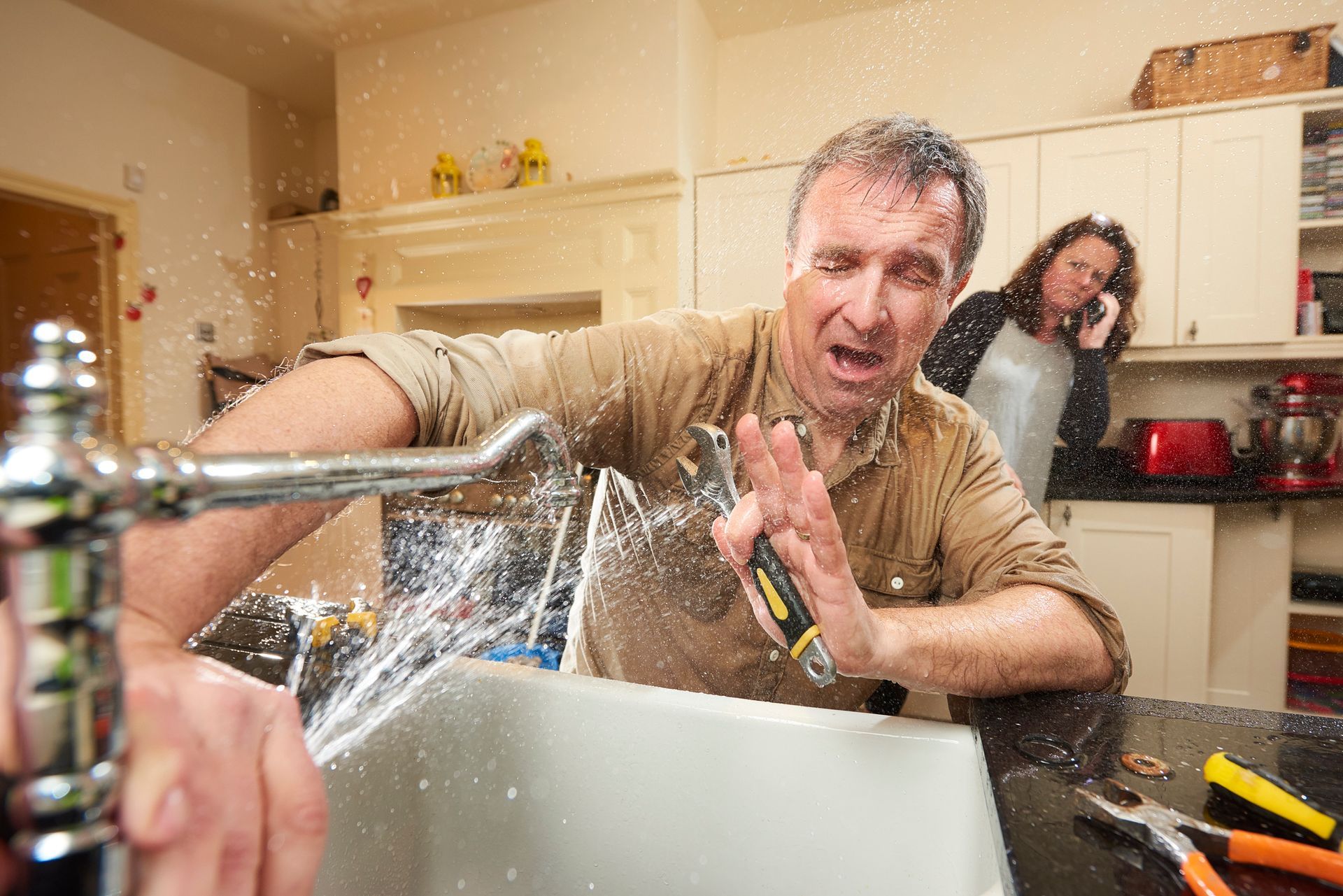

How to Prevent Burst Pipes During Virginia Winter: A Martinsville Homeowner's Guide to Emergency Plumbing Services
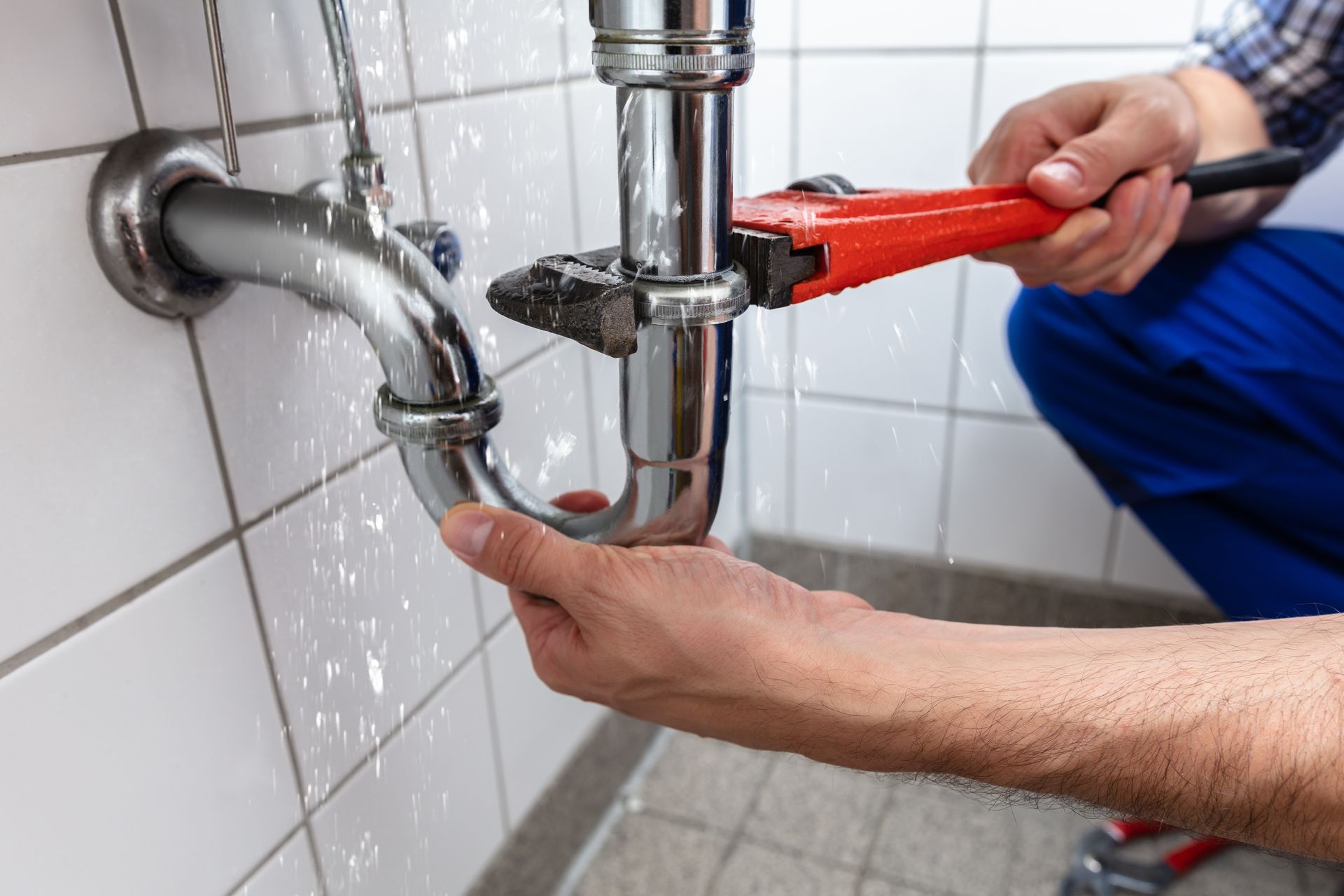
Burst pipes are one of the most damaging plumbing problems a homeowner can face, and this guide explains how to prevent them before winter temperatures in Martinsville, VA, create a real emergency. Henry County winters are colder than many expect. January nighttime temperatures in Martinsville average around 25.5°F, and the city sees roughly 98 days each year when the overnight low dips below freezing. Knowing where to focus your efforts and when to call for emergency plumbing services in Martinsville, VA, can mean the difference between a close call and a flooded home.
Why Martinsville Homes Are Especially Vulnerable to Frozen Pipes
Older homes in Henry County carry a higher freeze risk than newer construction. Much of Martinsville's residential housing stock was built before modern insulation standards, which means crawl spaces, exterior walls, and attics often lack the thermal protection that keeps pipes safe. Pipes running through unheated crawl spaces under older bungalows and ranch-style homes, in garages, under kitchen and bathroom cabinets on exterior walls, and along north-facing walls are particularly exposed.
The Piedmont foothills terrain surrounding Martinsville can also funnel cold air under homes during Arctic outflow events. A night that reads 28°F outside can push a poorly sealed crawl space well below that within hours. Homeowners who schedule a consultation for emergency plumbing services before winter arrives are better positioned to avoid costly repairs.
Step-by-Step Prevention: What to Do Before a Freeze
Step 1: Insulate Exposed Pipes
Pipe insulation sleeves, available at any hardware store, can be fitted around exposed pipes in crawl spaces, garages, and unheated utility rooms. Even inexpensive foam sleeves may reduce heat loss enough to keep water flowing during a freeze.
Step 2: Seal Crawl Space Vents and Gaps
During a hard freeze, open crawl space vents allow wind-driven cold air to reach your pipes directly. Temporarily block those vents with foam inserts during freeze warnings. Also seal gaps around where pipes enter the home from outside using caulk or expanding foam.
Step 3: Use the Drip-Faucet Technique During Freeze Warnings
When overnight lows are forecast below 28°F, let cold-water faucets on exterior walls drip slowly. Moving water is harder to freeze than standing water. Focus on faucets in bathrooms or kitchens against an outside wall.
Step 4: Keep Interior Heat Consistent
Avoid turning the thermostat down drastically at night during cold snaps, even when away from home. Open cabinet doors under sinks on exterior walls to allow warm air to circulate around the plumbing.
Step 5: Know Where Your Main Water Shutoff Is
Every adult in the household should know how to locate and operate the main water shutoff valve. In many older Martinsville homes, the shutoff is in the basement, crawl space, or near the water meter at the street. Acting quickly during a burst can limit flooding significantly.
Identifying the Most Vulnerable Pipes in Your Home
Pipes most likely to freeze include those in unheated spaces. In a typical Martinsville home, the highest-risk locations are crawl spaces without insulated skirting, water supply lines in attached garages, pipes along exterior walls in bathrooms or kitchens, outdoor hose bibs and irrigation lines not drained before winter, and pipes in attic spaces where heating does not reach.
Outdoor hose bibs deserve special attention. Disconnect and drain garden hoses before the first hard freeze, and consider installing insulated bib covers. Water left in a connected hose can back-freeze into the pipe inside the wall. A licensed plumber offering emergency plumbing services can inspect these vulnerable points before the season turns severe.
When Prevention Fails: Recognizing a Plumbing Emergency
Even careful homeowners can face an unexpected freeze event. Signs a pipe may be frozen include reduced or no water flow from a faucet, frost visible on an exposed pipe, or unusual banging sounds in the walls. If you suspect a frozen pipe, do not use an open flame or heat gun. A hair dryer on low heat or warm towels applied to an exposed section are safer options.
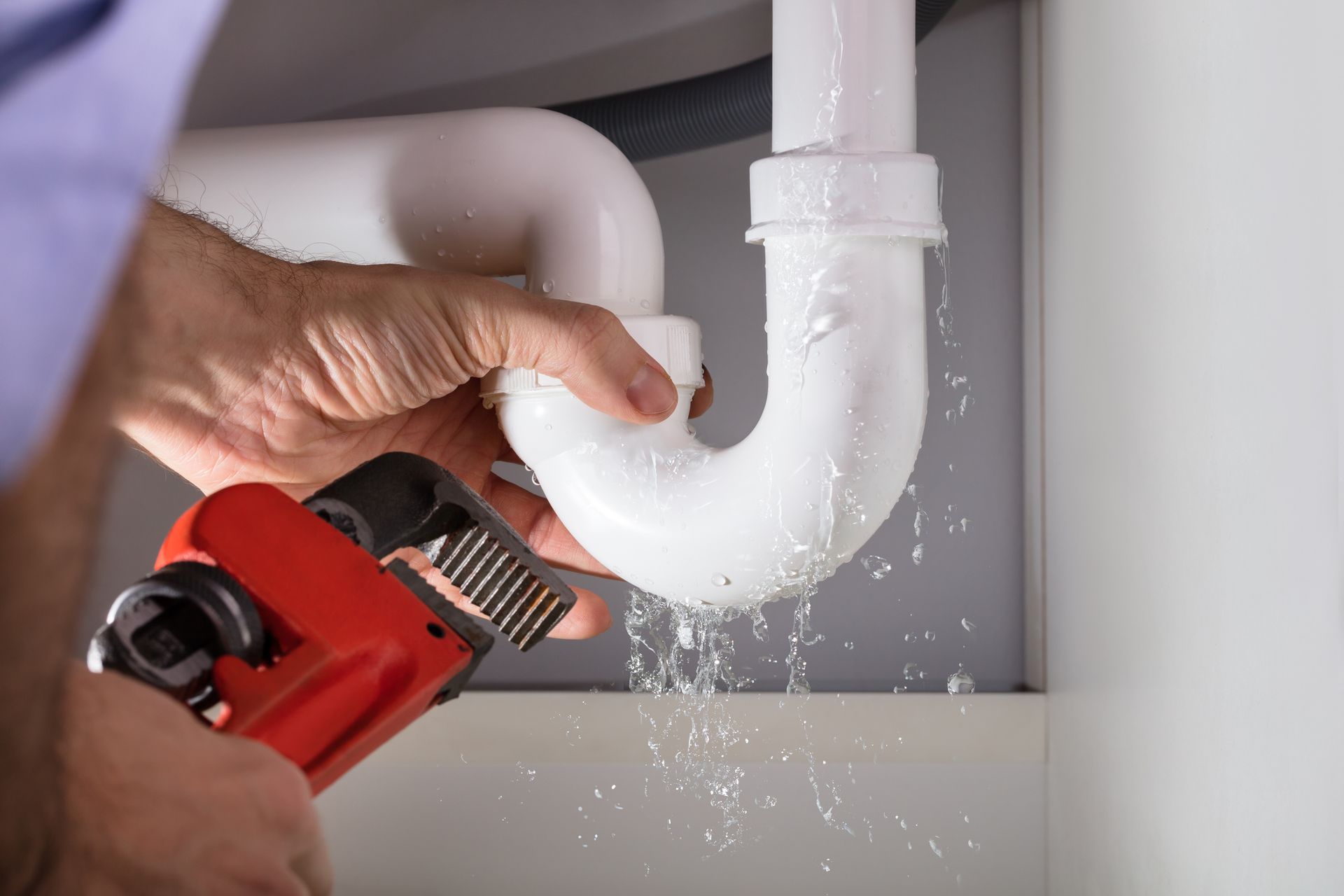
Signs a pipe has already burst include a sudden drop in water pressure, water stains appearing on walls or ceilings, the sound of running water when no fixtures are in use, or visible flooding. Shut off the main water supply immediately and call for emergency plumbing services from a qualified professional without delay.
What Should I Do If a Pipe Bursts in My Home?
Shut off the main water supply valve right away, then open all cold-water faucets to relieve pressure remaining in the lines. Avoid using electrical appliances or outlets near water. Document damage with photos for insurance purposes and contact a licensed plumber as soon as possible.
How Do I Know If My Crawl Space Pipes Are at Risk?
If your home was built before the 1980s and sits on a pier foundation or crawl space without insulated skirting, your supply lines are likely exposed to near-outdoor temperatures during freeze events. A quick visual inspection on a cold day can reveal frost on pipes or condensation patterns indicating inadequate insulation.
Protect Your Home This Winter With Expert Backup
Prevention can go a long way, but when a frozen pipe becomes a burst pipe, you need a licensed plumber you can trust. Handy Rentals Inc. provides emergency plumbing services to homeowners in Martinsville, VA, and the surrounding Henry County area. If prevention falls short this 2026-2027 winter season, do not wait for a small problem to become a major flood. Call 276-638-5240 or visit the plumbing repair services page to learn more and request a quote.